

01Capabilities
System Architecture Design
Functional partitioning, requirements definition, interface planning and architecture trade-offs aligned with performance, cost, risk and scalability.
Home—Electronic Hardware Engineering
Connected hardware engineering can be supported across the product lifecycle, from system definition and component selection through PCB realisation, prototype bring-up and structured validation.
Functional partitioning, requirements definition, interface planning and architecture trade-offs aligned with performance, cost, risk and scalability.
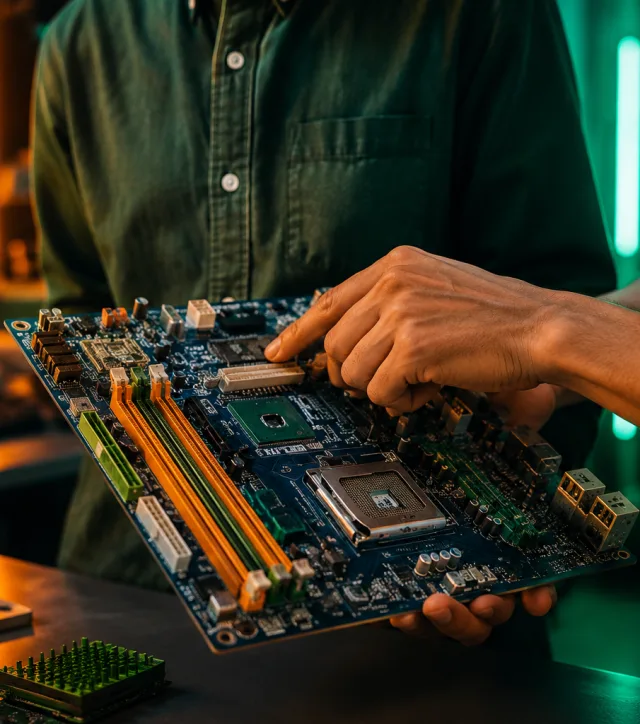
Component selection, schematic development, design reviews, PCB layout and design-for-manufacture practices for production-ready electronics.

Impedance planning, return-path optimisation, crosstalk mitigation, timing considerations and layout techniques for dependable high-speed interfaces.

Power conversion, sequencing, protection, charging, monitoring and energy-management design around real product constraints.

Engineering analysis and design reviews to surface thermal, emissions, susceptibility and layout risks before formal testing.
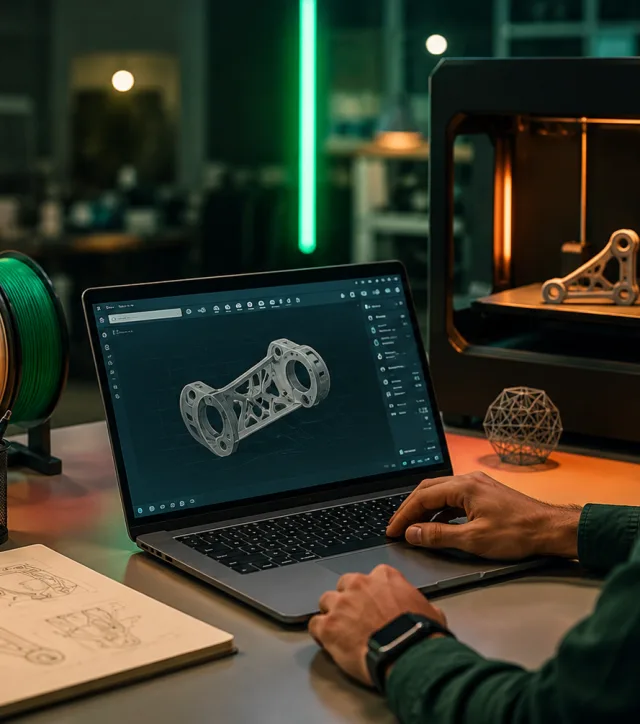
Prototype bring-up, measurement, functional testing, fault isolation, design correction and validation evidence for confident iteration.

ECUs, telematics, battery systems, interfaces and embedded electronics shaped around vehicle environments and lifecycle expectations.

Sensing, control, communication, power and rugged electronics designed for uptime and environmental resilience.

Compact, efficient and connected electronics balancing usability, cost, safety and manufacturability.
Engineering practices can support programs working within ISO 26262, AEC-Q, CAN, LIN, and related vehicle-system expectations.

Design reviews can consider IEC 61010, IEC 61508, industrial communications, environmental protection, and functional-safety needs.

Product development can prepare for applicable electrical safety, EMC, radio, environmental, and product-category requirements.

Structured reviews, design verification, manufacturability checks, test planning, and controlled design evidence.

A practical mix of ECAD, simulation, modeling, and laboratory tools supports design decisions and validation.

Schematic, PCB, circuit simulation, signal-integrity, and power-integrity workflows.

Modeling and analysis for control behavior, thermal performance, interfaces, and system trade-offs.

Oscilloscopes, analyzers, programmable equipment, fixtures, and repeatable automated tests.

Products, sourcing, engineering, and validation support shaped around your requirement.
Email VTRIAK TECH